Remove fragile and personal items, clear access routes and agree in advance on who moves larger furniture. A short preparation conversation prevents delays and makes it easier to protect the things that stay in the room.
Clear the things only you can organise
Take down artwork, empty shelves that need moving and put away jewellery, electronics and paperwork. Label picture hooks you want to keep and identify holes you want filled. A painter cannot reliably guess whether a wall anchor is abandoned or part of a carefully planned gallery wall.
Decide who handles the heavy items
Do not assume that a sofa, a wall-mounted television or a loaded bookcase is included in moving arrangements. Discuss heavy furniture, appliances and anything attached to plumbing or electrical systems before the work date. Some items need the appropriate tradesperson or specialist. Write down which pieces will move and where they will be stored.
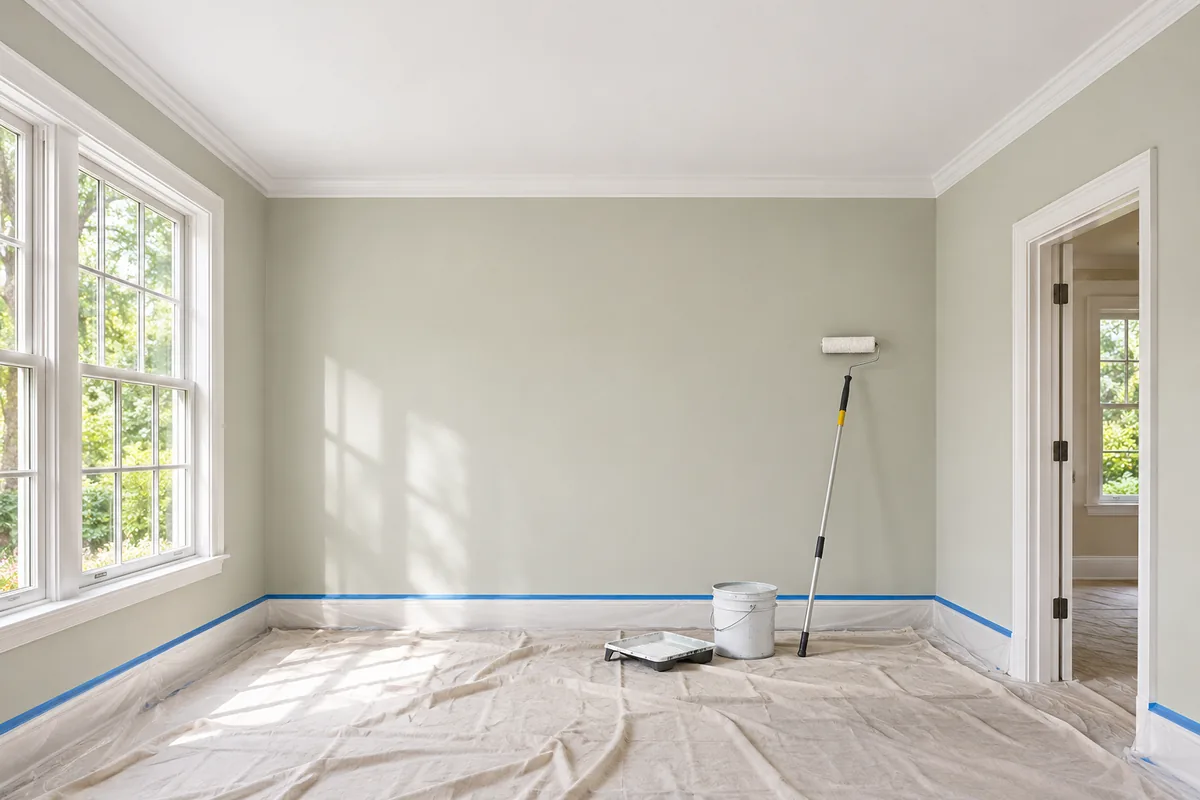
Make an everyday access plan
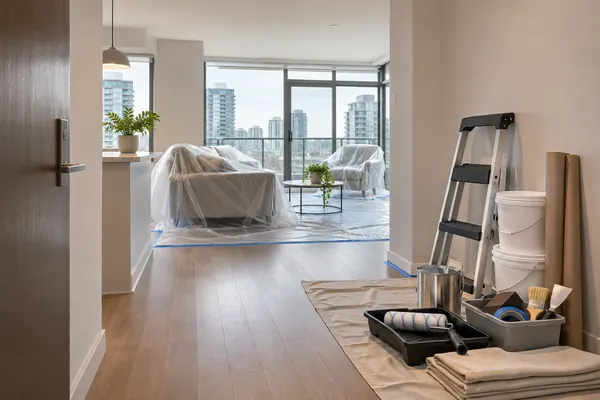
Choose a clear route from the entrance to the rooms being painted. Plan where tools and materials can be kept and which washroom, if any, is available. In an occupied GTA home, it helps to choose one room that remains usable and free of supplies. Arrange a separate space for pets and children away from the work area.
Walk through the space together
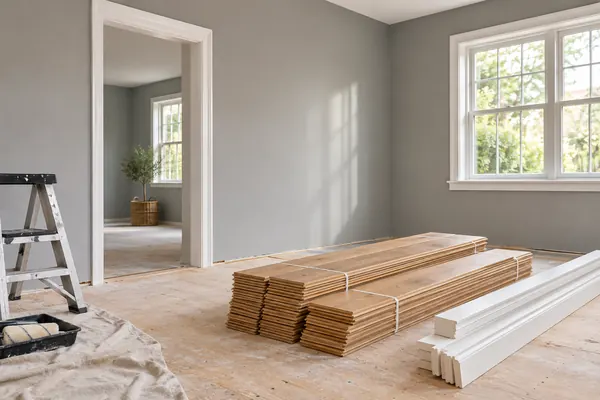
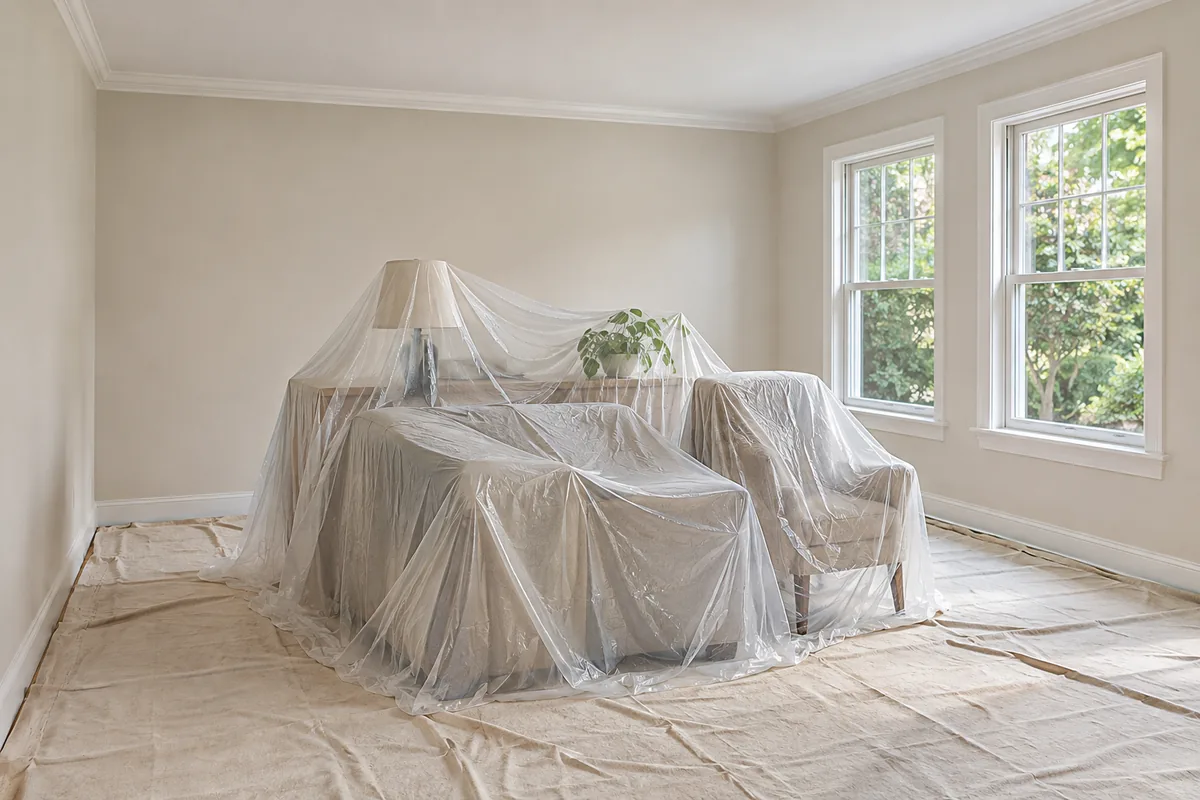
Before preparation starts, point out delicate flooring, loose trim, existing damage and furniture that cannot be moved. Confirm floor and furniture protection, working hours and the order of rooms. At the end, compare the finished work with the agreed scope rather than relying on memory. A few minutes of clear communication can prevent a whole day of avoidable confusion.
Create a room-by-room responsibility list
For each room, write down what you will remove, what the painters have agreed to move, and what must stay in place. A bedroom with an empty wardrobe needs a different plan from one with a loaded shelving unit. Confirm whether closets, the backs of doors and the wall behind a large cabinet are in scope. If a surface is inaccessible, resolve that before the quote is approved; do not assume furniture will simply be painted around. Give everyone the same list so the first morning starts with protection and preparation rather than a new negotiation.
Agree on cleaning and repairs before doing them yourself
Ask which wall cleaning, filling and sanding are included in the quote. Preparing surfaces twice wastes effort, while missing an agreed task can delay the start. Tell your painter about grease, peeling paint, recurring cracks and any past leak. Do not hide an unresolved moisture problem behind a cosmetic repair. If you want to handle some preparation yourself, agree on the method and the inspection point before buying materials. The painter should be able to assess the actual surface before deciding on the preparation and coating system.
Plan keys, parking and your normal day
Confirm arrival times, where the crew can park and how access will work when you are out. Keep a route to essential rooms clear, and identify work calls, deliveries or household routines that affect the schedule. For an Oakville house, this might mean painting bedrooms in stages so another room remains usable. In a condo, confirm the building access and elevator arrangements with management. Keep alarm codes and other sensitive access details out of a public enquiry form; agree on a suitable way to share them directly.
Make a return-to-use checklist
Before furniture and belongings go back, confirm which surfaces can be handled and when artwork, curtains or furniture can safely touch the new finish. Dry-to-the-touch is not the same as ready for every kind of use; follow the selected product instructions and the painter’s guidance for the room. Keep the colour name, code, product and sheen for each surface. At the final walkthrough, check the agreed repairs and painted areas together, record anything that needs attention, and confirm how leftover paint and protection materials will be handled.
Put the advice to work
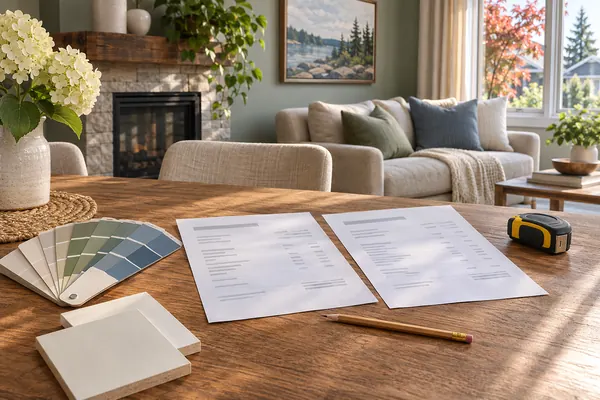
Use our free painting quote checklist and comparison worksheet to confirm the scope and compare up to three contractors. Provide your name, email and phone number to unlock the free PDF for your quote appointments.
Your next-step checklist
- Remove personal and fragile belongings.
- Confirm responsibility for large furniture.
- Mark which hooks and fixtures should stay.
Further reading
Manufacturer instructions and public guidance to help you check the details for your project.
Published by We The Painters Inc., an Oakville-based painting company serving the GTA. These are general planning guides; the condition of your surfaces and the selected product instructions determine the work your project needs.