 AI illustrationPlanning
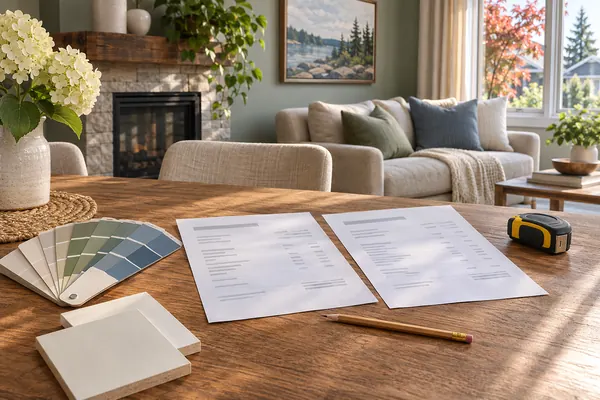
The most useful comparison is the scope of work, not the total alone. Put each quote beside the same list of surfaces, repairs, products, coats and cleanup requirements. A lower price may simply cover less work.
Read the guide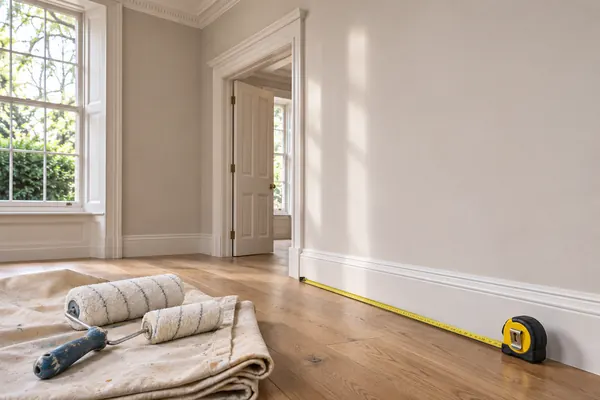 AI illustrationPlanning
Room dimensions matter, but preparation, ceiling height, trim, colour changes and access can change the workload just as much. A reliable price comes from the surfaces being painted and their condition, rather than floor area alone.
Read the guide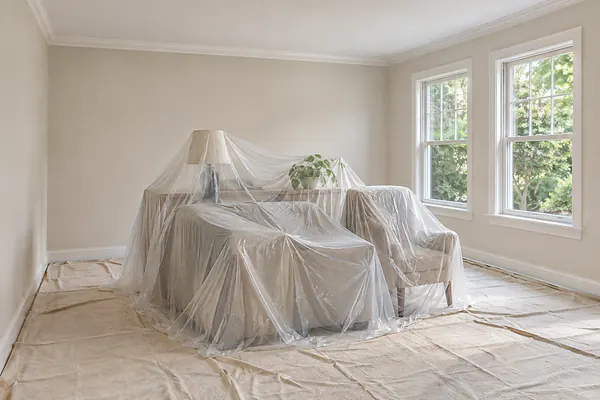 AI illustrationPlanning
Remove fragile and personal items, clear access routes and agree in advance on who moves larger furniture. A short preparation conversation prevents delays and makes it easier to protect the things that stay in the room.
Read the guide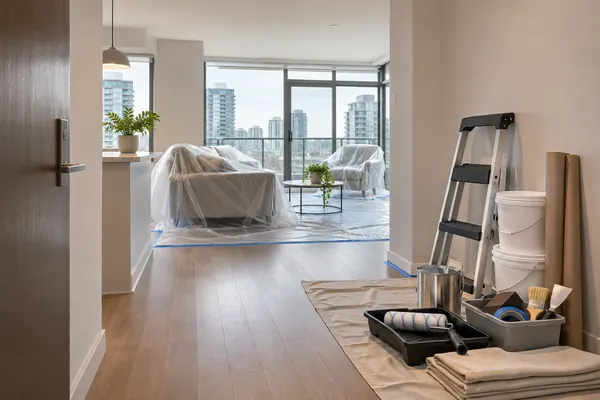 AI illustrationPlanning
Confirm your building’s access and work arrangements before booking the painting date. Elevator reservations, delivery routes and permitted hours can affect a condo project even when the painting itself is straightforward.
Read the guide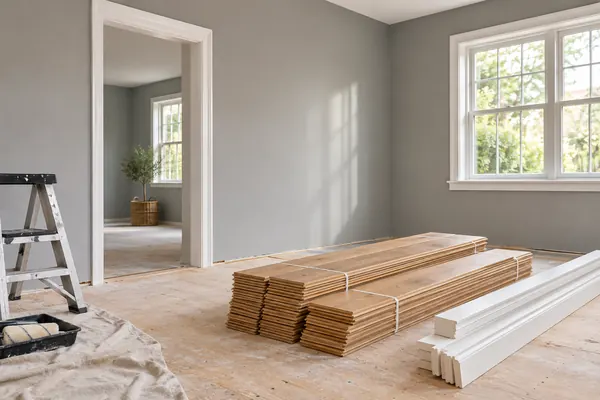 AI illustrationPlanning
A coordinated sequence often works best: complete dusty repairs first, paint ceilings and much of the wall area before new flooring, then install flooring and finish baseboards and final touch-ups. The right order depends on what is being replaced.
Read the guide AI illustrationPlanning
Prioritise visible wear and distracting inconsistencies in the spaces buyers see first. An entryway, main living area or noticeably marked wall may deserve attention before a rarely used room. Fresh paint can improve presentation, but it does not guarantee a higher sale price.
Read the guide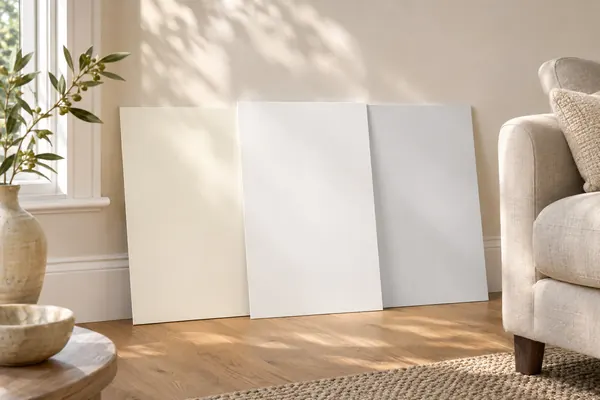 AI illustrationColour & decorating
Choose white beside the finishes already in your room, then check a small set of samples in daylight and evening light. The same white can look different against cream tile, cool stone, timber flooring or another painted surface.
Read the guide AI illustrationColour & decorating
Start with the light the room actually receives, then choose the atmosphere you want. A softer warm neutral may feel welcoming; a deeper colour can make a dim room deliberately cosy. Very bright white is not the only possible answer.
Read the guide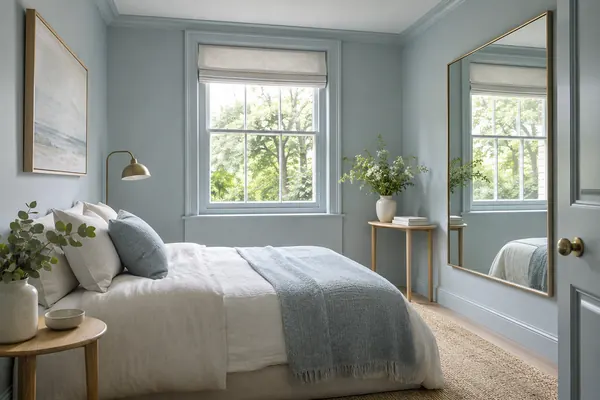 AI illustrationColour & decorating
Paint can change the visual impression of a room, but it cannot change its dimensions. Reducing unnecessary colour breaks and coordinating walls, trim and furnishings can make a compact space feel calmer and more continuous.
Read the guide AI illustrationColour & decorating
Build an open-plan palette around shared sightlines and permanent finishes. A continuous main wall colour is often a useful starting point, with accent colours placed at natural architectural breaks rather than arbitrary points on a wall.
Read the guide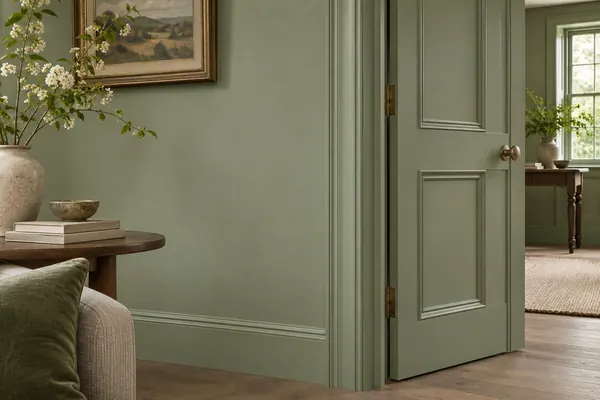 AI illustrationColour & decorating
They can be. Matching walls and trim creates a quieter, more continuous look, while contrasting trim emphasises architectural details. Choose the relationship intentionally and specify a suitable product and sheen for each surface.
Read the guide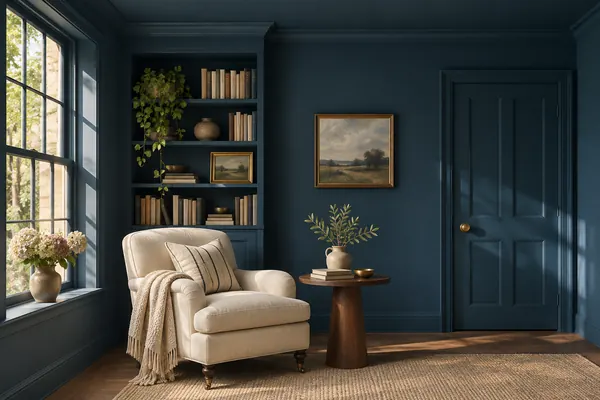 AI illustrationColour & decorating
Choose an accent wall when a specific architectural feature or furniture arrangement deserves focus. Choose a more enveloping colour scheme when you want the room itself to feel unified. The strongest option follows the space rather than a decorating rule.
Read the guide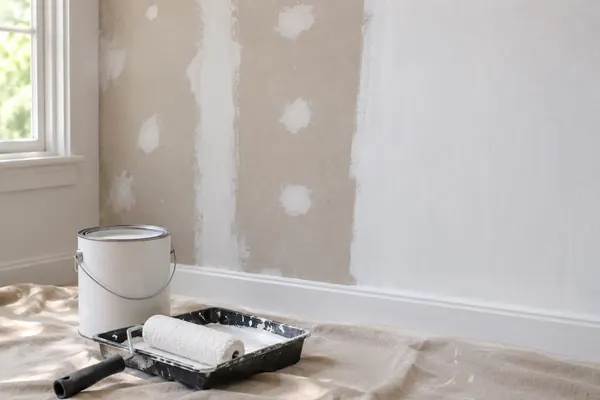 AI illustrationPreparation
“Paint and primer” does not mean that every surface can skip separate priming. Bare or repaired areas, difficult existing finishes and stains may need a specific primer. Choose the system according to the surface and the product instructions.
Read the guide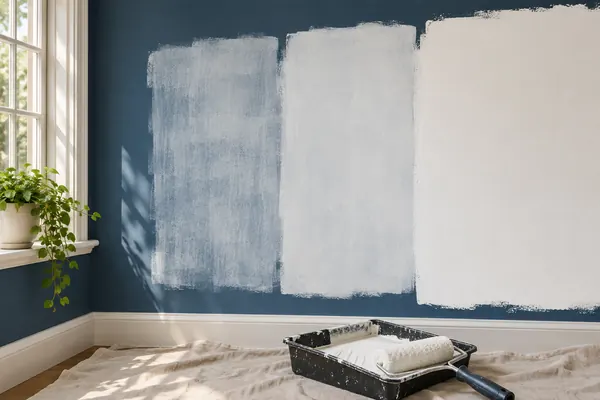 AI illustrationPreparation
The answer depends on the existing colour, new colour, surface condition, product and application. Two finish coats are a common planning assumption, but a written quote should explain the proposed system and how adequate coverage will be achieved.
Read the guide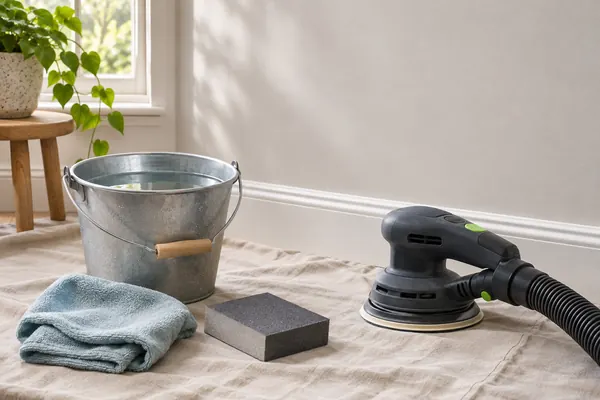 AI illustrationPreparation
Walls should be clean, sound and suitably prepared for the selected coating. Cleaning and abrasion are different tasks: one addresses contamination, while the other may address texture or adhesion. Not every wall needs the same treatment.
Read the guide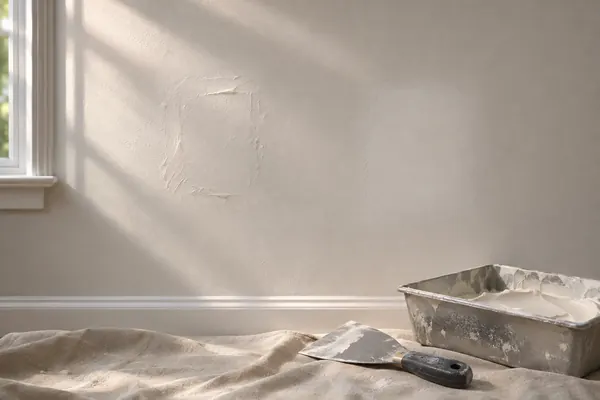 AI illustrationPreparation
A patch can remain visible because its texture, level or absorbency differs from the surrounding wall. More paint may not correct all three. Inspect the repair itself, the priming approach and the lighting before deciding what to do next.
Read the guide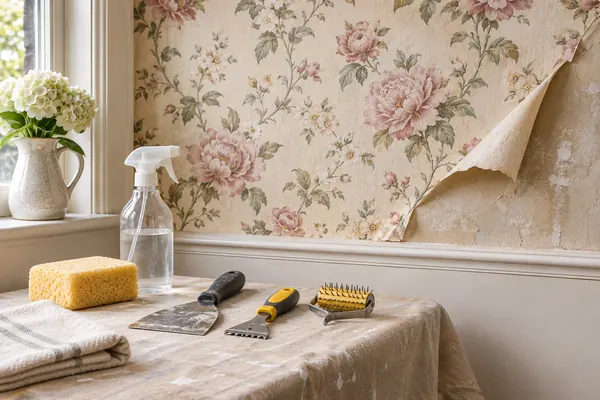 AI illustrationPreparation
Sometimes, but it is not a reliable shortcut for loose, damaged or poorly bonded wallpaper. Inspect adhesion, seams, texture and the wall underneath before deciding whether removal or a carefully specified overcoating system makes sense.
Read the guide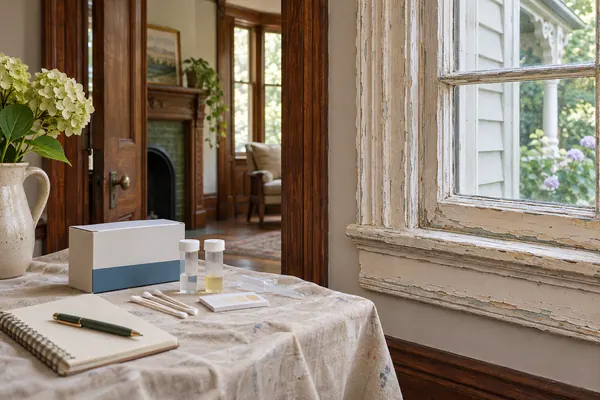 AI illustrationPreparation
Before sanding, scraping or stripping older coatings, consider whether they may contain lead. Health Canada notes that homes built before 1991 may contain lead-based paint beneath newer coats. Arrange appropriate assessment when the coating history is uncertain.
Read the guide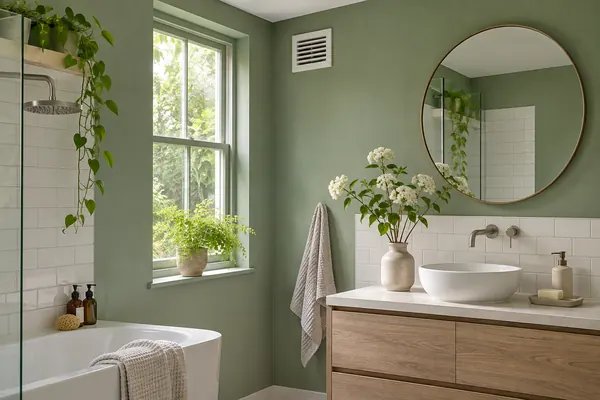 AI illustrationPainting methods
No. The product’s suitability for bathroom conditions matters more than assuming every bathroom needs a glossy finish. Some coatings are designed for humid rooms in lower sheens. Check the specific product rather than relying on the sheen name alone.
Read the guide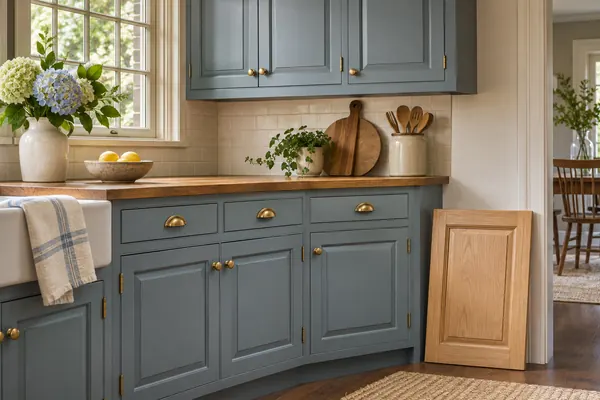 AI illustrationPainting methods
Painting is worth considering when the cabinet layout and structure work well and the main problem is appearance. Replacement may make more sense when the boxes are failing, the layout needs to change or major repairs would dominate the project.
Read the guide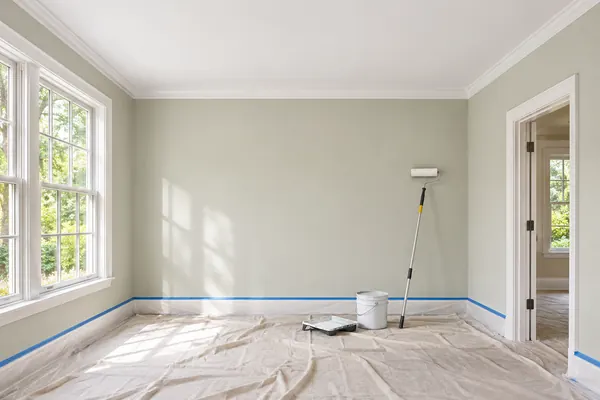 AI illustrationPainting methods
A common sequence is ceiling work before walls, with trim preparation and finishing coordinated around both. The exact order depends on the coating system, repairs and whether flooring or trim is being replaced. Agree on the sequence before starting.
Read the guide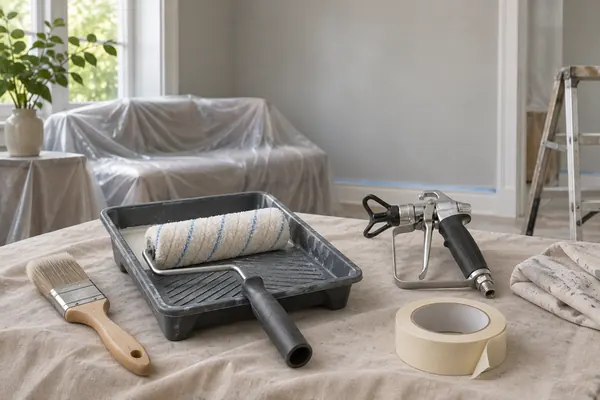 AI illustrationPainting methods
Neither method is automatically better. Surface type, access, occupancy and the chosen coating determine the appropriate application. A good result depends on preparation and technique, not simply whether a sprayer is used.
Read the guide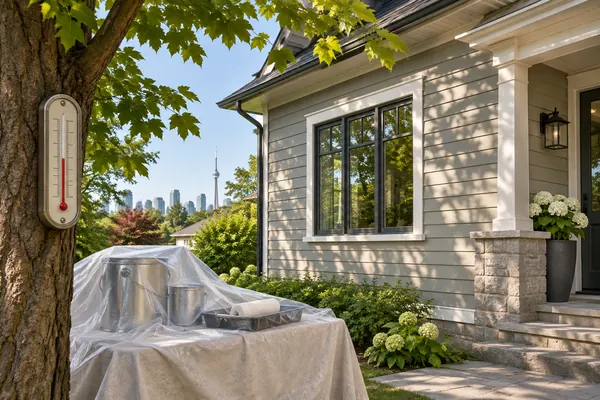 AI illustrationPainting methods
Choose an exterior painting window using the selected coating’s air and surface temperature limits, drying requirements and the forecast. A sunny afternoon alone is not enough; cold nights, rain, damp surfaces and condensation can affect the plan.
Read the guide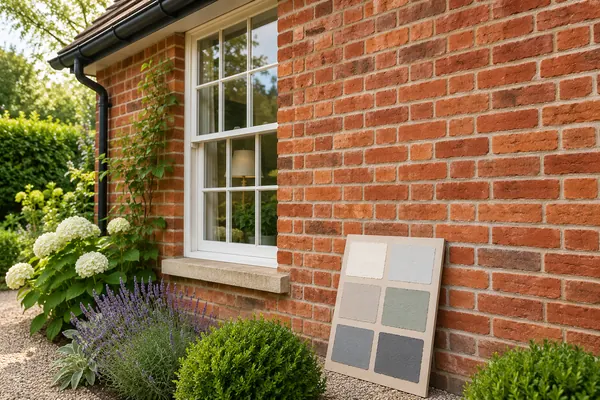 AI illustrationPainting methods
Treat painted brick as a long-term maintenance decision, not just a colour choice. Have the masonry condition, moisture exposure and suitability of the coating assessed first. Painted, stained and uncoated brick are not interchangeable finishes.
Read the guide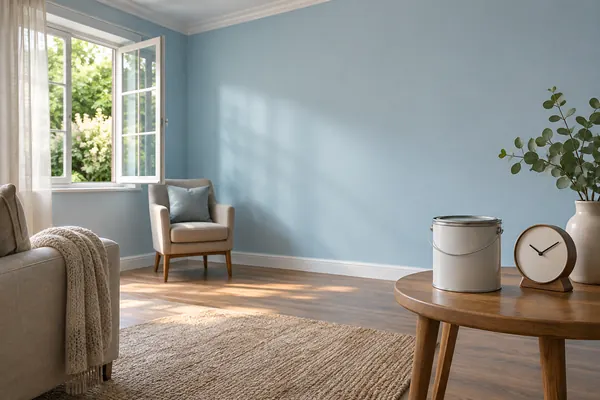 AI illustrationMaintenance
Drying and curing describe different stages. Paint may feel dry before it has developed the properties needed for normal handling, washing or service. Follow the selected product’s instructions rather than applying one universal waiting time to every coating.
Read the guide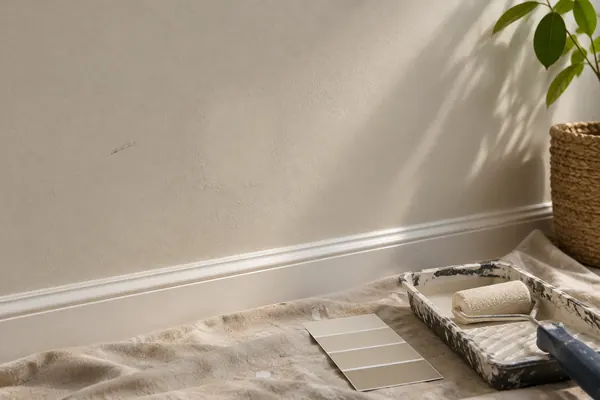 AI illustrationMaintenance
Try a small, appropriate touch-up when you have the original product, colour and sheen and the surrounding coating is sound. If the repair remains visible, repainting to a natural boundary can provide a more consistent appearance.
Read the guide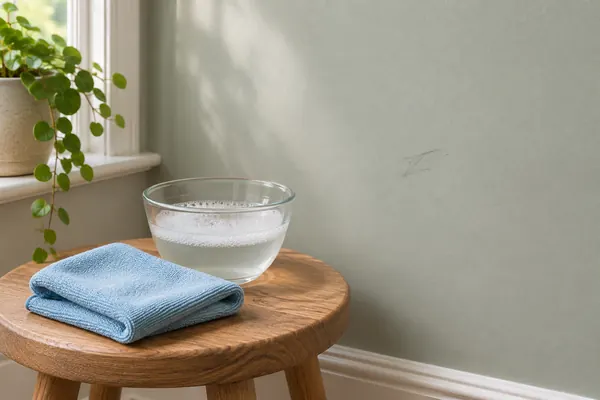 AI illustrationMaintenance
Use the coating manufacturer’s cleaning guidance, begin gently and test a hidden spot. Wait until the finish is ready for cleaning. Strong cleaners, abrasive pads and repeated scrubbing can change a painted surface even when they remove the mark.
Read the guide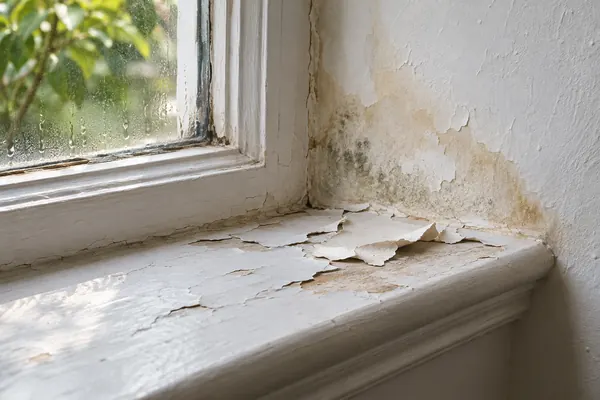 AI illustrationMaintenance
Another coat will not reliably fix paint that is losing adhesion. Identify why the coating is failing, address the cause and prepare the surface appropriately before repainting. Moisture and unsuitable preparation are among the possibilities to investigate.
Read the guide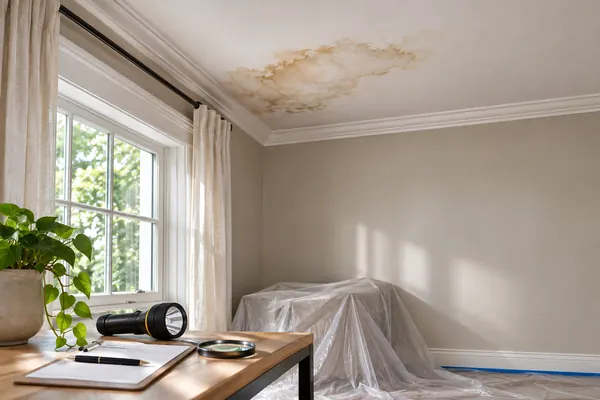 AI illustrationMaintenance
Only after the moisture source has been addressed and the affected surface has been assessed and made suitable for painting. A stain-blocking system may be needed, but primer does not repair a leak or damaged ceiling material.
Read the guide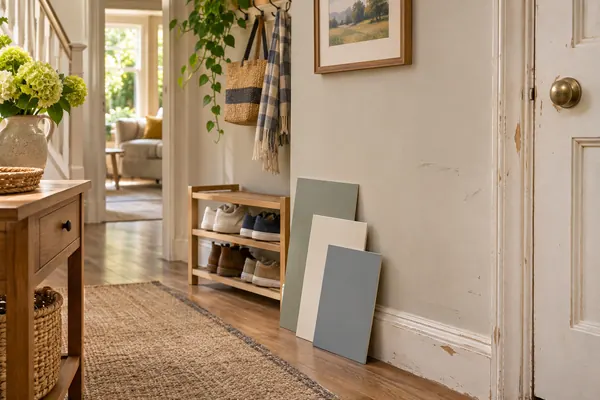 AI illustrationMaintenance
Repaint when the coating’s condition, cleanability or appearance no longer suits the room—not simply because a fixed number of years has passed. Exposure and use vary too much for one repainting timetable to fit every home.
Read the guide