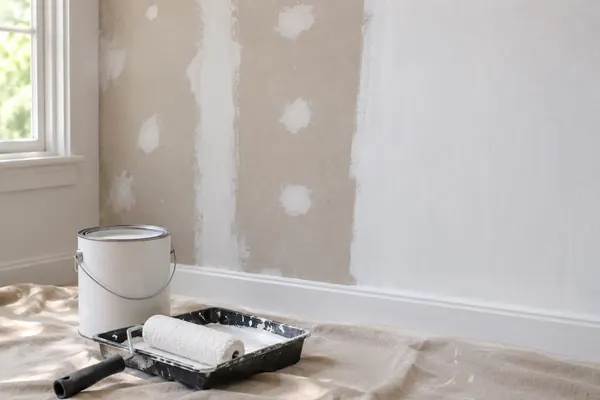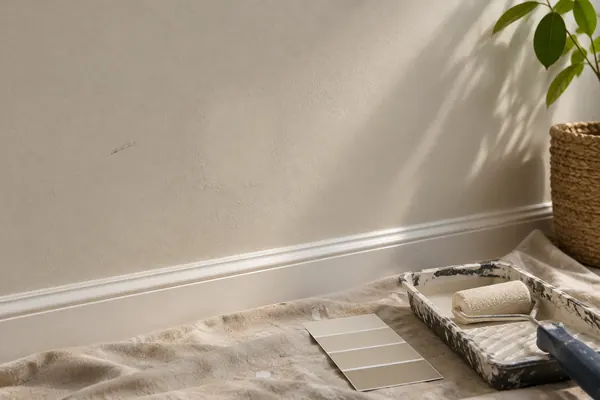
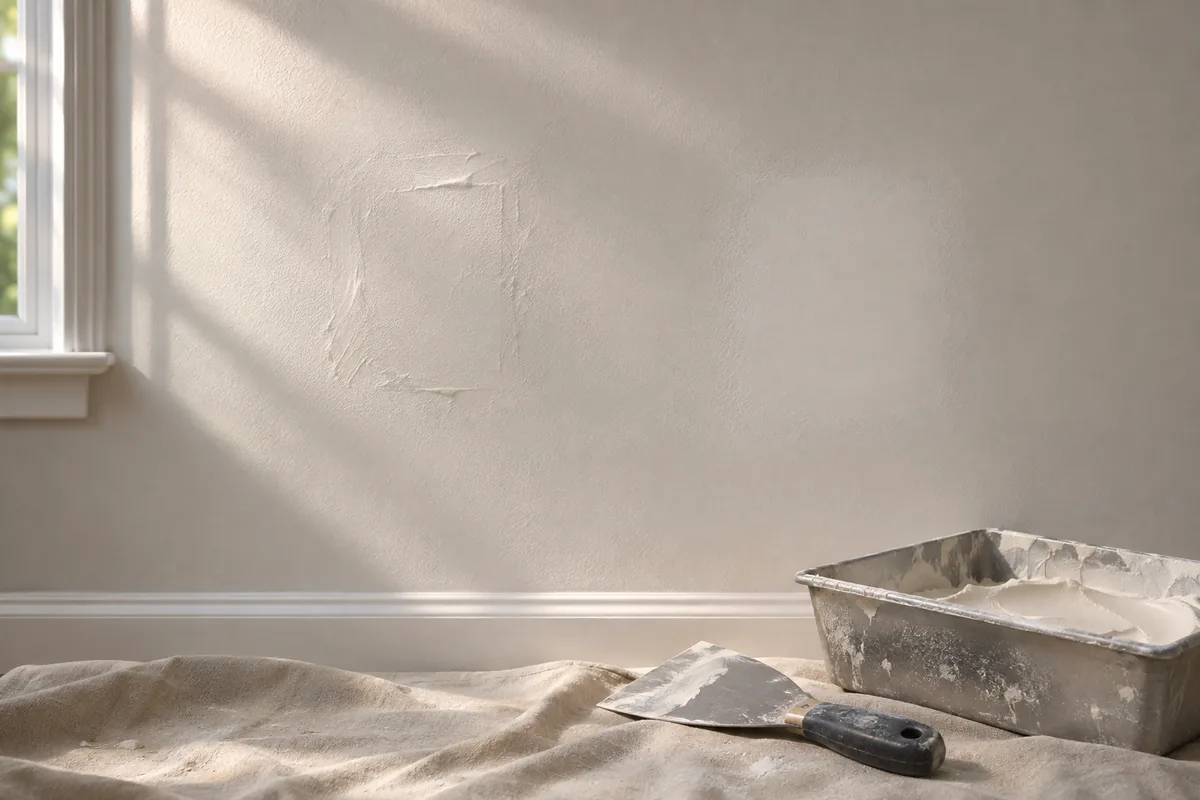
A patch can remain visible because its texture, level or absorbency differs from the surrounding wall. More paint may not correct all three. Inspect the repair itself, the priming approach and the lighting before deciding what to do next.
Identify what you are seeing
A raised outline suggests a surface-level issue. A smooth island in a textured wall suggests a texture mismatch. A different sheen may relate to absorption or application. These symptoms can overlap. Examine the area under the lighting normally used in the room, then use additional light to help locate the cause rather than immediately repainting it.
Make the repair belong to the wall
A repair should transition into the existing surface instead of ending at a hard ridge. Texture also matters: an exceptionally smooth patch may stand out against an older rolled surface. Ask the painter how the surrounding finish will be matched. If underlying movement keeps reopening a crack, cosmetic repair alone may not resolve it.
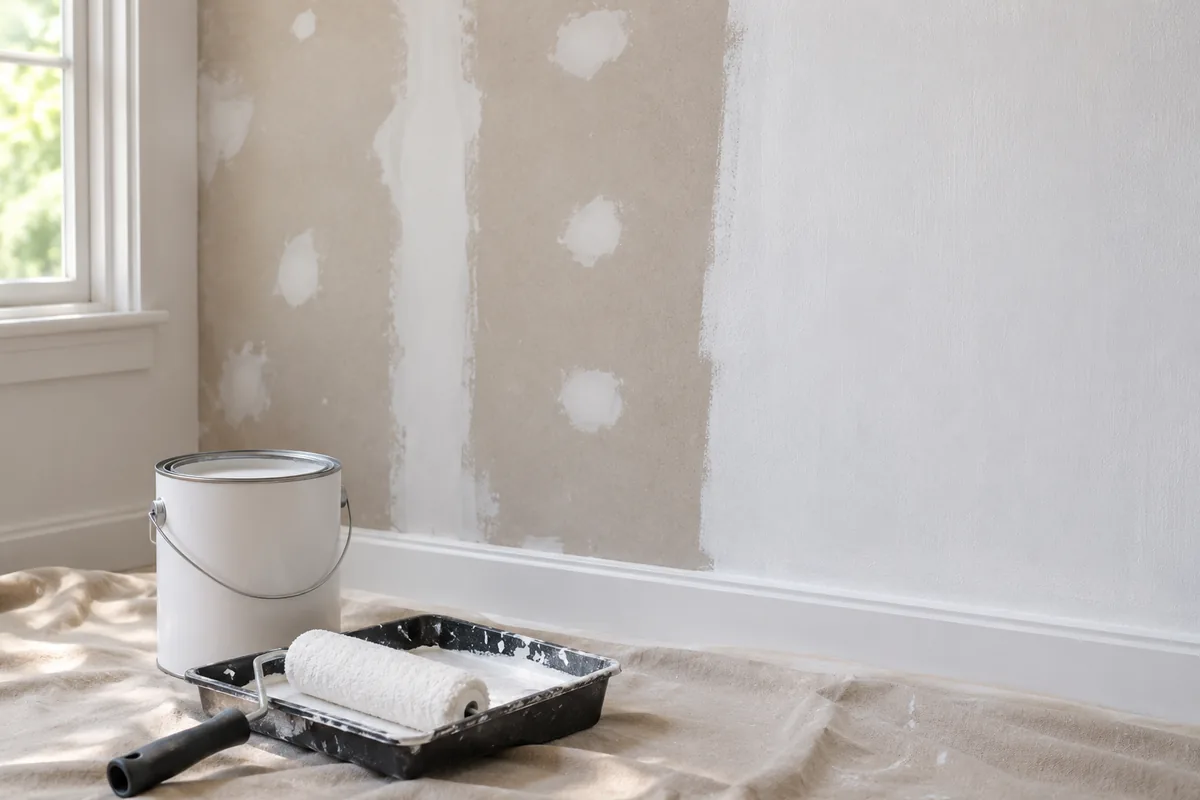
Review priming and finishing together
Porous repairs may need an appropriate primer before the finish coat. The choice depends on the repair material and paint system. Once preparation is sound, repainting the complete wall can be more consistent than repeatedly coating a small rectangle. Discuss this before work starts so the scope includes the necessary finishing area.
A useful photo brief
Send one wide photo showing where the patch sits and one close photo showing its edge. Explain whether it is visible mainly by a window, at night or from across the room. Avoid judging wet paint, which may look different as it dries. Keep product and sheen information if the surrounding wall was painted recently; it can help distinguish a repair problem from a mismatched touch-up.
Your next-step checklist
- Check level, texture and sheen separately.
- Investigate recurring cracks before covering them.
- Consider a full-wall finish after the repair.
Published by We The Painters Inc., an Oakville-based painting company serving the GTA. These are general planning guides; the condition of your surfaces and the selected product instructions determine the work your project needs.