Sometimes, but it is not a reliable shortcut for loose, damaged or poorly bonded wallpaper. Inspect adhesion, seams, texture and the wall underneath before deciding whether removal or a carefully specified overcoating system makes sense.
Start with the wallpaper’s condition
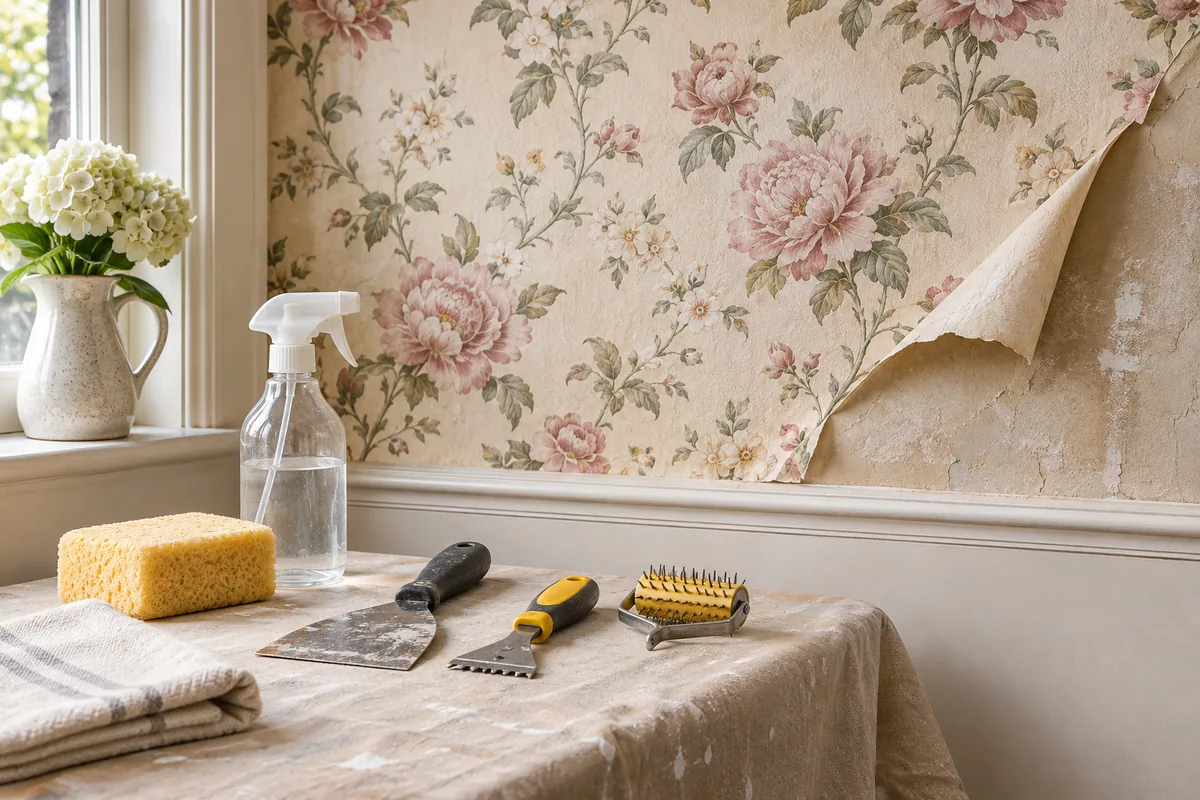
Check seams, corners, bubbles and areas around windows. If the covering is already lifting, a new paint finish does not make the underlying bond dependable. Embossed patterns may remain visible after painting. Decide whether you are comfortable with that texture before spending money on a colour change.
Compare the two scopes honestly
Removal can reveal adhesive residue or damage that needs repair. Painting over wallpaper can leave seams and complicate a later removal. Ask for the benefits and limitations of each option rather than treating one as automatically cheaper. The number of layers and the substrate can influence the work substantially.
Use a test area and a compatible system
If overpainting is proposed, ask the painter to explain the preparation and compatibility of the products with that wallcovering. A small test area can expose problems before the whole room is committed. Follow the manufacturer’s instructions instead of combining a generic primer recommendation with an unrelated topcoat. Do not assume all wallpaper adhesives react the same way.
Decide for the room’s future
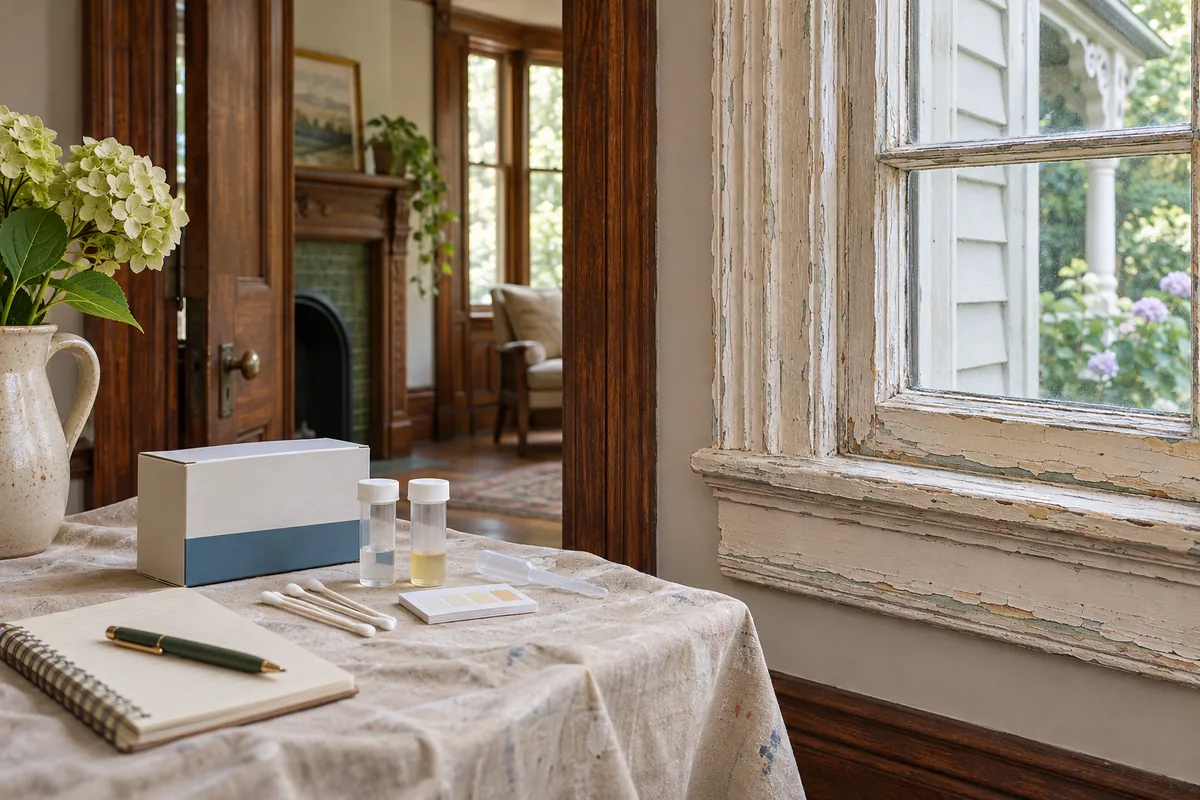
For a short-term cosmetic refresh, you may accept some visible texture; for a long-term redesign, removal and proper wall repair may better match your expectations. Document the expected appearance in the quote. If old coatings or other materials may be hazardous, arrange assessment before removal or sanding. The best decision is the one that accounts for the wall’s condition and the finish you actually want.
Your next-step checklist
- Inspect seams and bubbles first.
- Compare removal and overpainting as separate scopes.
- Agree whether remaining texture is acceptable.
Published by We The Painters Inc., an Oakville-based painting company serving the GTA. These are general planning guides; the condition of your surfaces and the selected product instructions determine the work your project needs.