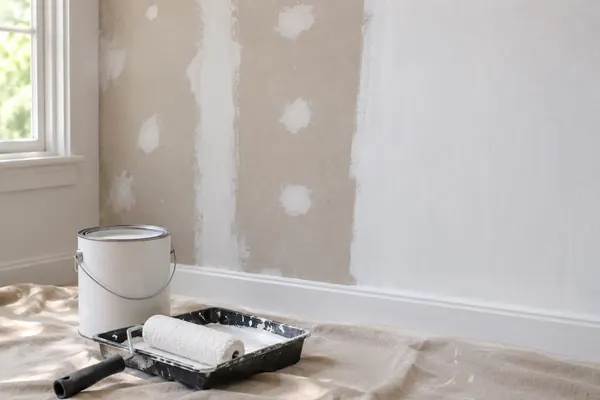
Walls should be clean, sound and suitably prepared for the selected coating. Cleaning and abrasion are different tasks: one addresses contamination, while the other may address texture or adhesion. Not every wall needs the same treatment.
Inspect before choosing a method
Look near cooking areas, light switches, vents and furniture. Grease, dust and repeated hand contact can create local problems even when the rest of the room appears clean. Point these areas out during the quote visit. Also identify peeling, stains and damaged patches, which need their own assessment rather than a quick wash.
Clean without leaving a new residue
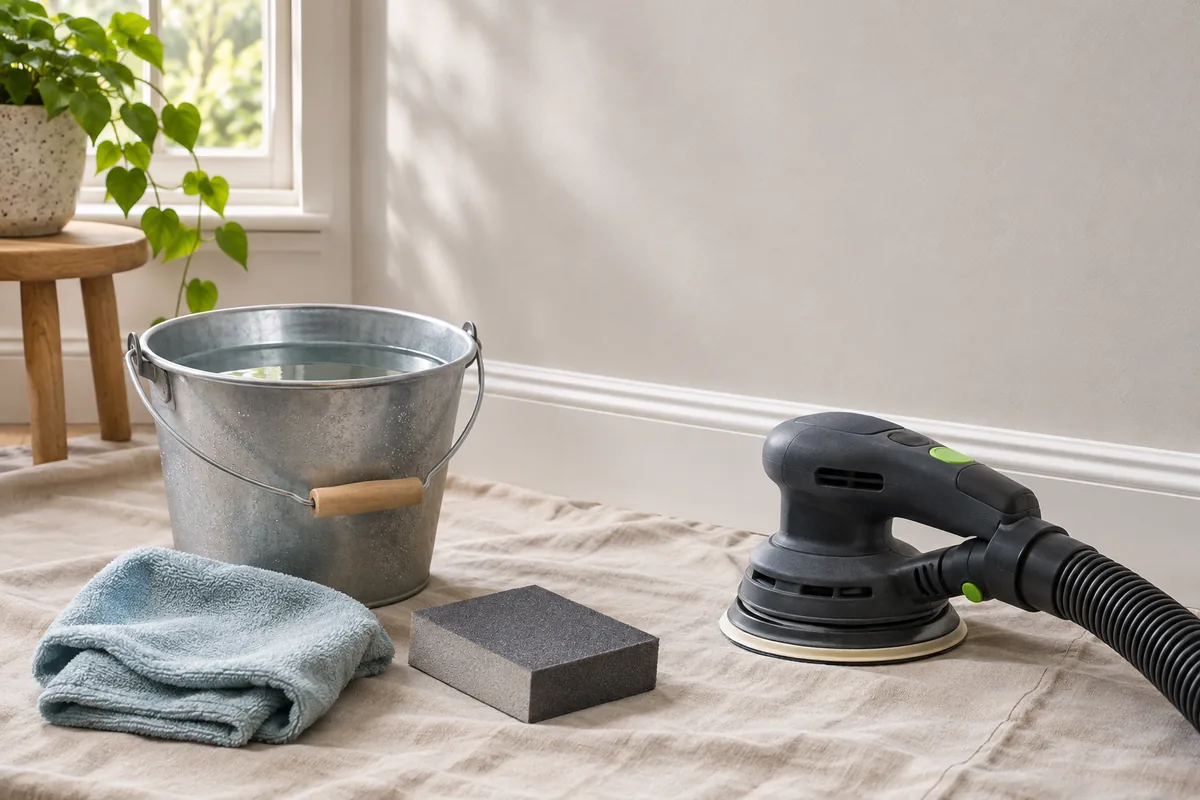
Use a cleaning method appropriate for the surface and the coating instructions. A strong cleaner is not automatically better. Residue left behind can become another layer between the wall and the new paint. Follow any rinsing requirements and allow the surface to dry adequately before progressing. Protect nearby flooring and electrical fittings while working.
Treat abrasion as a controlled preparation step
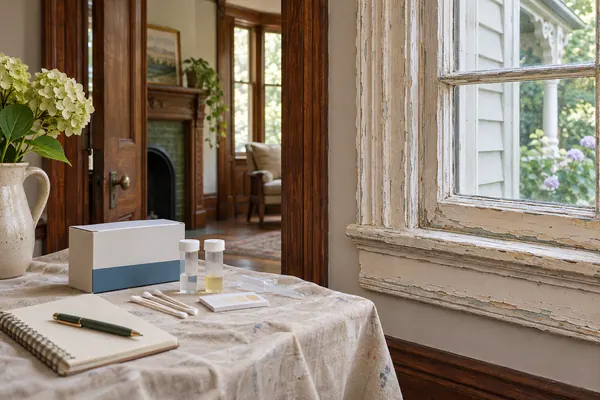
Sanding is not a way to make every problem disappear. The need, method and extent depend on the coating and substrate. If an older coating may contain lead or another hazardous material is suspected, stop and arrange assessment before disturbing it. Generic DIY instructions are not a substitute for that check.
Confirm the surface is ready
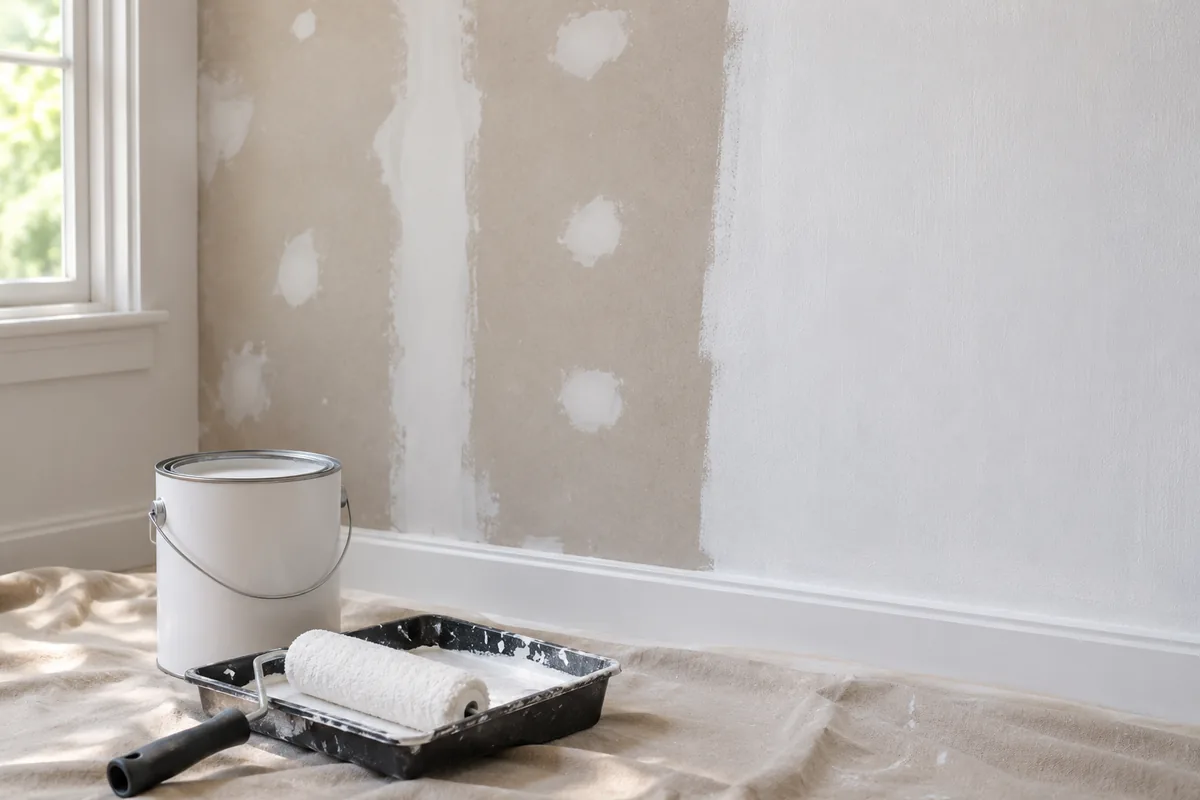
After preparation, check for remaining dust, raised repair edges and loose material. Discuss primer requirements before application begins. For an occupied home, ask how the work area will be separated and cleaned each day. A clear preparation plan makes the final finish more predictable and helps everyone understand why a room with many defects takes longer than a simple refresh.
Your next-step checklist
- Identify grease, dust, loose paint and stains separately.
- Follow cleaning and drying instructions.
- Assess suspect older coatings before disturbance.
Further reading
Manufacturer instructions and public guidance to help you check the details for your project.
Published by We The Painters Inc., an Oakville-based painting company serving the GTA. These are general planning guides; the condition of your surfaces and the selected product instructions determine the work your project needs.